Joanna Jensen: Founder of Childs Farm
How a former investment banker built a leading British children’s skincare brand and became an investor in growing businesses.

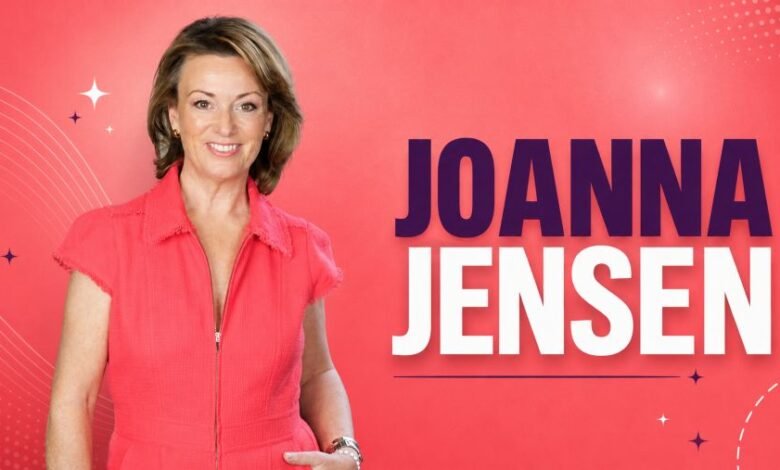
Last Updated on August 4, 2026 by Business Blog Media Editorial Team
Introduction
Joanna Jensen is a British entrepreneur, investor, author and business leader best known for founding Childs Farm.
She created the children’s personal-care brand in 2010 after identifying a need for effective products suitable for sensitive skin. The first Childs Farm products were introduced in 2012, and the brand later expanded through major British retailers.
By 2019, Childs Farm had become a leading brand in the UK baby and children’s toiletries market. In March 2022, PZ Cussons announced its acquisition of the business in a transaction that valued its initial interest at £36.8 million.
Joanna now serves as Chair of the Enterprise Investment Scheme Association. She also works as an angel investor, board adviser, mentor, author and business speaker.
Joanna Jensen Quick Facts
| Detail | Information |
|---|---|
| Full name | Joanna Jensen |
| Profession | Entrepreneur, investor and business leader |
| Known for | Founding Childs Farm |
| Brand created | Childs Farm |
| Brand created in | 2010 |
| First products introduced | 2012 |
| Nationwide retail expansion | 2014 |
| Acquiring company | PZ Cussons |
| Acquisition announced | March 2022 |
| Current verified role | Chair of the EIS Association |
| Earlier career | Investment banking |
| Other work | Angel investment, mentoring, writing and board advisory |
Who Is Joanna Jensen?
Joanna Jensen is an entrepreneur who turned a personal product idea into a recognised consumer brand.
Before starting Childs Farm, she worked in investment banking in Hong Kong and the United Kingdom. Her publicly available professional biography connects her earlier career with firms including UBS, Paribas and WI Carr.
This financial experience helped her understand:
- Business plans
- Cash flow
- Investment
- Financial risk
- Company growth
- Investor communication
- Profit and loss accounts
However, building a skincare company required her to learn a completely different set of skills.
She had to understand product development, manufacturing, packaging, retail sales, marketing and supply chains.
The Idea Behind Childs Farm
Joanna created Childs Farm after searching for suitable skincare products for sensitive skin.
She believed there was room for a children’s personal-care range that combined effective formulations with colourful packaging and an enjoyable bath-time experience.
The business began with a small product range developed for children and families.
Childs Farm’s official history states that six initial formulations were introduced in 2012. These included products designed for bathing, skin and hair care.
The brand focused on making daily personal care feel gentle, practical and enjoyable.
Why the Name Childs Farm Was Chosen
The Childs Farm identity was built around family life, nature and childhood.
The name gave the products a friendly and recognisable character.
Instead of using packaging that looked medical or serious, the brand used:
- Bright colours
- Illustrated characters
- Animals
- Clear product descriptions
- Playful visual designs
This approach helped Childs Farm stand out on shop shelves.
The brand showed that products designed for sensitive skin did not need to look boring or overly clinical.
Developing the First Products
Creating skincare products requires more than mixing ingredients at home.
A commercial product must go through several stages, including:
- Product research
- Formula development
- Ingredient selection
- Safety testing
- Packaging design
- Manufacturing
- Labelling
- Retail approval
- Distribution
Joanna worked with manufacturers and specialists to turn the original idea into products that could be sold to the public.
The first range included six formulations and gradually attracted customers looking for children’s personal-care products.
Entering Major British Retailers
A major step came when Childs Farm entered national retailers.
The EIS Association states that the brand launched through Boots and Waitrose in 2014.
Getting products into a large retailer can be difficult.
A founder may need to show:
- Evidence of customer demand
- Reliable manufacturing
- Suitable pricing
- Product safety
- Strong packaging
- Delivery capability
- A clear marketing plan
Retailers also need confidence that the company can provide enough stock and respond when demand changes.
The Boots and Waitrose launches gave Childs Farm access to customers across the United Kingdom.
Building a Recognisable Brand
Childs Farm grew by combining product performance with a strong identity.
The packaging used bright colours and illustrations that were easy for parents and children to recognise.
A clear brand identity can help a business in several ways.
It can:
- Make products easier to notice
- Help customers remember the company
- Create trust across the product range
- Support word-of-mouth recommendations
- Make new products easier to introduce
- Separate the brand from competitors
Joanna understood that a successful consumer product needed more than a useful formula.
It also needed a story and presentation that customers could understand.
Expanding the Product Range
Childs Farm expanded beyond its first six products.
The wider range developed across areas including:
- Bath products
- Shower products
- Shampoo
- Conditioner
- Moisturisers
- Hair care
- Baby products
- Skincare
Expanding a product range can help a company serve existing customers in more ways.
However, every new product also creates additional work.
The business must manage:
- New formulas
- Packaging
- Stock levels
- Manufacturing schedules
- Retail listings
- Marketing
- Customer feedback
A company must therefore expand carefully rather than releasing products without a clear customer need.
Becoming a Leading UK Brand
By 2019, Childs Farm had become a leading brand in the UK baby and children’s toiletries category.
The EIS Association states that it became the leading brand in its segment by sales value.
This was a major achievement in a market containing larger and longer-established competitors.
Childs Farm’s growth demonstrated that a newer company could gain market share by:
- Understanding customers
- Creating distinctive products
- Building retailer relationships
- Maintaining a clear brand identity
- Responding to changing demand
- Investing in product development
Readers interested in another British founder who built a recognised consumer brand can explore Sara Davies and the growth of Crafter’s Companion.
Funding Childs Farm
Growing a consumer brand requires money.
The company needs funding for:
- Product development
- Manufacturing
- Packaging
- Stock
- Employees
- Marketing
- Retail expansion
- Distribution
Joanna raised investment through the Seed Enterprise Investment Scheme and the Enterprise Investment Scheme.
These UK government-supported schemes encourage qualifying investment in smaller businesses by providing tax benefits to eligible investors.
Her experience of raising and managing investment later became important in her work with the EIS Association.
What Are EIS and SEIS?
The Enterprise Investment Scheme and Seed Enterprise Investment Scheme are designed to help qualifying UK businesses raise capital.
Seed Enterprise Investment Scheme
SEIS mainly supports very early-stage companies.
Enterprise Investment Scheme
EIS supports qualifying growing businesses that need investment for expansion.
These schemes can make early-stage investment more attractive by offering tax relief under specific conditions.
They do not remove the risk of investing in a young business.
Startups can still fail, and investors must carefully review each opportunity.
Childs Farm and Sustainability
Childs Farm also developed a strong sustainability position.
The company became a certified B Corporation and introduced environmental and social commitments across its products and operations.
Its official sustainability information highlights areas including:
- Recycled packaging
- Responsible ingredient sourcing
- Environmental impact
- Workplace practices
- Community support
- Corporate governance
B Corp certification examines how a company treats its workers, customers, suppliers, community and environment.
Childs Farm described itself as the first British brand in the baby and child personal-care category to achieve the certification.
The PZ Cussons Acquisition
In March 2022, PZ Cussons announced the acquisition of Childs Farm.
PZ Cussons is the consumer-products company behind brands including Carex, Imperial Leather and St. Tropez.
The transaction gave PZ Cussons an interest of approximately 92% in Childs Farm for total consideration of £36.8 million.
Joanna reinvested £3.3 million from the transaction into the acquiring PZ Cussons subsidiary and initially retained an 8.1% interest.
PZ Cussons described Childs Farm as a leading UK baby and child personal-care brand with strong growth and international potential.
Why PZ Cussons Bought Childs Farm
Childs Farm supported several parts of PZ Cussons’ business strategy.
The company already operated in personal care, hygiene, baby products and beauty.
Childs Farm added:
- A recognised children’s brand
- Sensitive-skin products
- Strong UK retail distribution
- Sustainability credentials
- Opportunities for international expansion
- An established customer base
PZ Cussons believed its distribution and brand-building experience could support Childs Farm’s next stage of growth.
Readers can review the official PZ Cussons acquisition announcement for full transaction information.
Joanna Jensen’s Role After the Sale
Following the 2022 transaction, PZ Cussons said Joanna would continue as an investor and champion of Childs Farm in the UK and international markets.
She later expanded her work across investment, business boards, mentoring and entrepreneurship.
Her current professional activities include:
- Chairing the EIS Association
- Investing in growing companies
- Mentoring entrepreneurs
- Advising business boards
- Writing about entrepreneurship
- Speaking at business events
Her work now uses the experience gained from starting, funding, scaling and selling a consumer brand.
Chair of the EIS Association
Joanna became Chair of the Enterprise Investment Scheme Association in June 2024.
The EIS Association represents businesses, investors and professional advisers involved with EIS and SEIS.
Its work includes:
- Explaining the investment schemes
- Supporting founders and investors
- Engaging with government
- Sharing industry research
- Promoting responsible early-stage investment
- Representing the EIS business community
The organisation continued to identify Joanna as its Chair in its 2026 publications.
Supporting Early-Stage Businesses
Joanna now invests in selected growing companies.
Her official investment page explains that she looks for founders with strong belief, resilience, ethical values and a clear place in the market.
Angel investors normally provide money to businesses during an early stage.
They may also provide:
- Commercial advice
- Retail knowledge
- Industry contacts
- Board experience
- Support with investment
- Help preparing for growth
An experienced founder can understand challenges that may not be clear from financial documents alone.
Supporting Women in Business
Joanna also supports programmes connected with female-founded businesses.
The EIS Association identifies her as an adviser to Buy Women Built and a mentor through Imperial College’s Venture Mentoring Service.
Female founders can face difficulties when seeking investment, gaining visibility and building professional networks.
Mentoring and advisory programmes can help founders:
- Improve business plans
- Prepare for investment
- Build confidence
- Understand financial information
- Develop retail strategies
- Learn from experienced entrepreneurs
Joanna’s consumer-brand experience makes her especially relevant to founders working in retail, beauty and packaged products.
Board and Advisory Work
Joanna also works with business boards and leadership teams.
Her official advisory profile describes experience in:
- Building a consumer brand
- Managing investors
- Cash-flow planning
- Retail relationships
- Supply chains
- Company governance
- Preparing for a business sale
- Managing business difficulty
Board members help review a company’s direction and challenge important decisions.
They should provide independent judgement instead of simply agreeing with the founder or management team.
Joanna’s experience includes both operating a business and working with investors, giving her an understanding of different boardroom perspectives.
Writing and Speaking
Joanna also writes and speaks about entrepreneurship.
Her official website identifies her as an author, public speaker and business columnist. Her subjects include:
- Building consumer brands
- Raising investment
- Scaling a company
- Entrepreneurial resilience
- Female founders
- Business governance
- Selling a company
- EIS and SEIS investment
She uses practical experience from Childs Farm to explain the challenges involved in turning an idea into a larger business.
Business Lessons From Joanna Jensen
Solve a real problem
Childs Farm began with a clearly identified need rather than a product created only to follow a trend.
Understand the customer
The products, packaging and brand communication were designed around families and children.
Learn unfamiliar skills
Joanna moved from investment banking into skincare, manufacturing and retail.
Build a memorable identity
Bright packaging and clear branding helped Childs Farm stand out.
Use investment carefully
External funding helped the company manufacture products, enter retailers and expand.
Prepare for growth
Large retail partnerships require reliable stock, systems and distribution.
Build value before selling
The PZ Cussons transaction followed years of product development, customer growth and retailer relationships.
Use experience to support others
After Childs Farm, Joanna moved into investing, mentoring and board leadership.
Readers can also explore Holly Tucker’s journey through Not On The High Street and Holly & Co.
Why Is Joanna Jensen Known?
Joanna Jensen is known for:
- Founding Childs Farm
- Building a leading British children’s personal-care brand
- Expanding the company through major retailers
- Raising investment through SEIS and EIS
- Developing a certified B Corp brand
- Completing the PZ Cussons transaction
- Investing in growing businesses
- Supporting female founders
- Chairing the EIS Association
Her strongest professional achievement is turning Childs Farm from an early product idea into an established consumer brand.
Frequently Asked Questions
Who is Joanna Jensen?
Joanna Jensen is a British entrepreneur, investor and business leader best known for founding Childs Farm.
What company did Joanna Jensen create?
She created Childs Farm, a children’s skincare, bath and hair-care brand.
When was Childs Farm created?
Joanna created the brand in 2010, and its first six products were introduced in 2012.
When did Childs Farm enter major retailers?
The brand launched through Boots and Waitrose in 2014.
Who bought Childs Farm?
PZ Cussons announced its acquisition of Childs Farm in March 2022.
How much was the Childs Farm transaction worth?
PZ Cussons paid £36.8 million for an interest of approximately 92% after Joanna reinvested part of the proceeds into the acquiring subsidiary.
What is Joanna Jensen’s current role?
She currently serves as Chair of the Enterprise Investment Scheme Association.
What did Joanna Jensen do before Childs Farm?
She worked in investment banking in Hong Kong and the United Kingdom.
Does Joanna Jensen invest in businesses?
Yes. Her current work includes angel investment in selected growing businesses.
What is Childs Farm known for?
Childs Farm is known for personal-care products designed for babies and children, including bath, skin and hair-care products.
Final Thoughts
Joanna Jensen built Childs Farm by combining financial knowledge, customer understanding and a clear consumer-product idea.
She moved from investment banking into an industry where she had to learn product formulation, manufacturing, packaging, retail sales and brand development.
Childs Farm introduced its first products in 2012, expanded into Boots and Waitrose in 2014 and became a leading UK brand in its category.
PZ Cussons announced its acquisition of the business in March 2022.
Joanna later expanded her professional work into angel investment, mentoring, board advice, writing and public speaking.
As Chair of the EIS Association, she now helps represent the investors, advisers and growing companies involved in early-stage UK business finance.
Her career shows how a founder can identify a genuine customer need, build a strong brand and later use that experience to support other entrepreneurs.